The rooms on the calendar — the ones we keep up with, vouch for, and promote. This is the whole set. When a room earns it, it goes here; when one slips, it comes off. The calendar tracks every one, checked every morning.
7 rooms
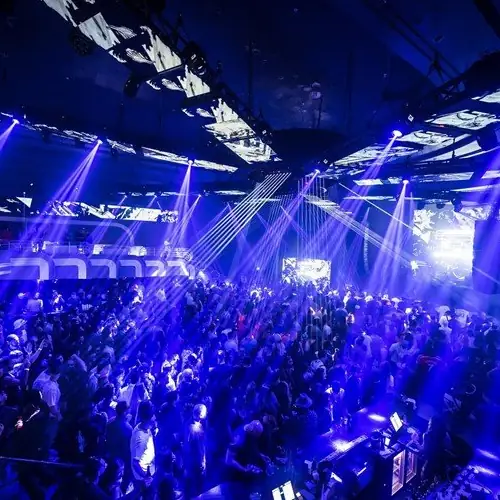
LIV
Spectacle · Miami Beach
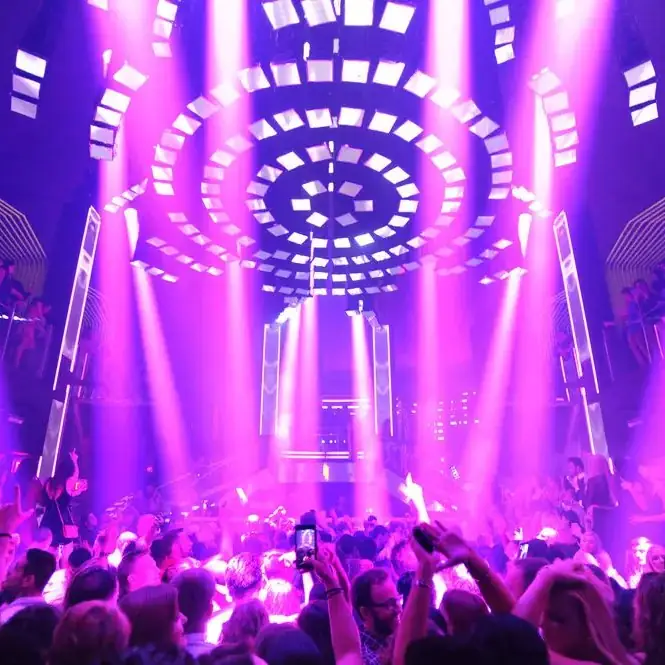
The Fontainebleau’s flagship and still the loudest room in the city — hip-hop
headliners, a light show with its own budget, a floor that’s mostly tables. Come for
the name on the marquee, plan the table in advance, and know what you’re walking into.
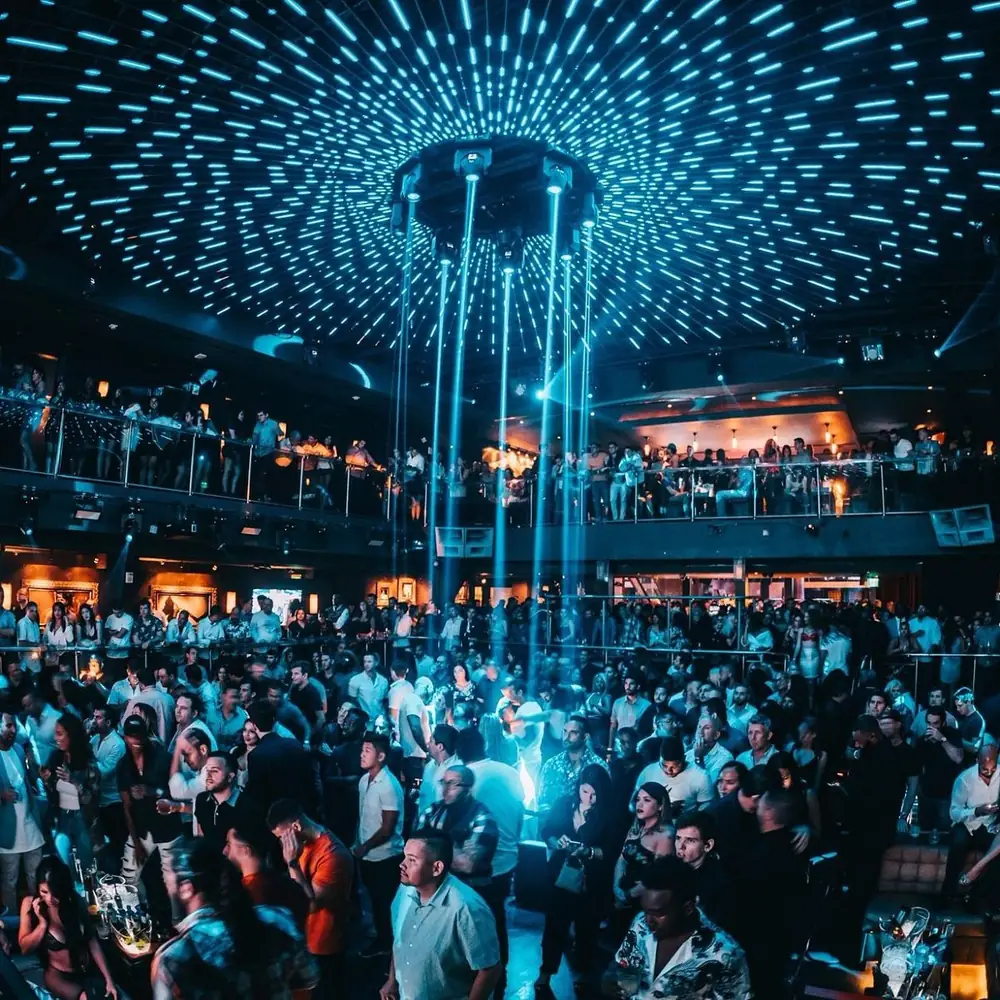
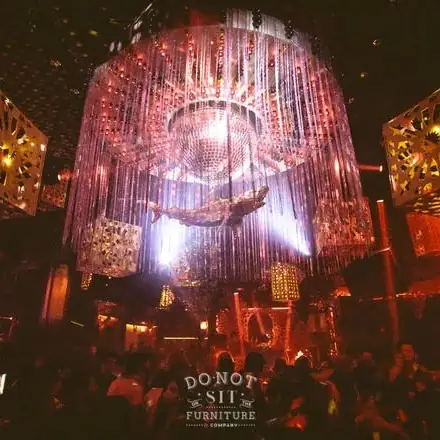
The ultraclub that never closes — open-format, all-hours, part nightclub and part
production. It is not subtle and does not try to be. Go when you want spectacle and a
room that’s still going strong at noon.
The last true sunrise club in America. Every other city legislated the after-hours
out of existence; on 11th Street the terrace still fills as the sky goes grey. Go for
the long set, not the headliner — the room is built for the eighth hour.
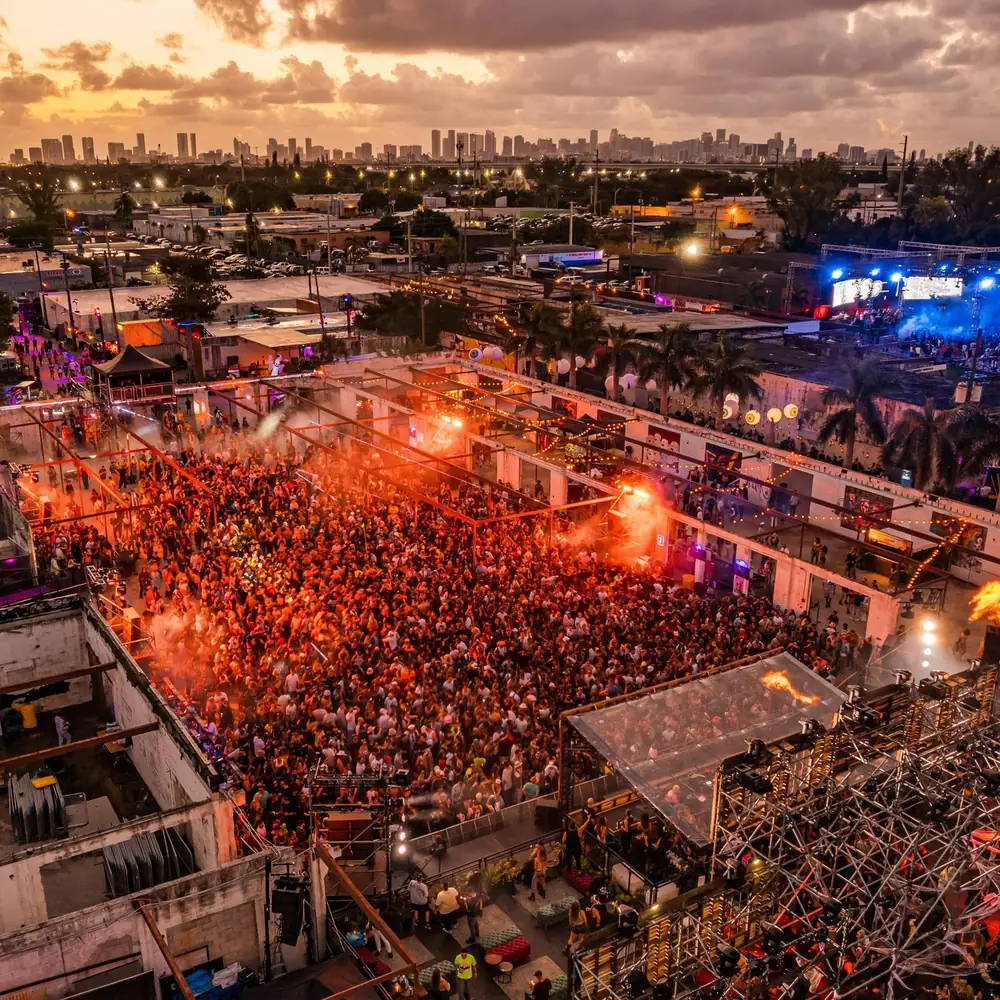
Miami’s warehouse district as a venue — multiple stages, mostly outdoors, built for
the acts that headline festivals everywhere else. The programming is the most serious
in the city on a big night. Dress for standing on gravel until 6 a.m.
The Washington Avenue room that keeps reinventing itself — a main floor for the big
bookings and a back room that’s where the night usually turns out to be. Ticketing is
split between platforms depending on the promoter, so check before you go.
The best argument that Miami is a real dance-music city. No bottle minimum, a low
capacity, and a booking policy that lands names who play warehouses elsewhere. The
room is designed around the system, not the bar. Get there before the line does.
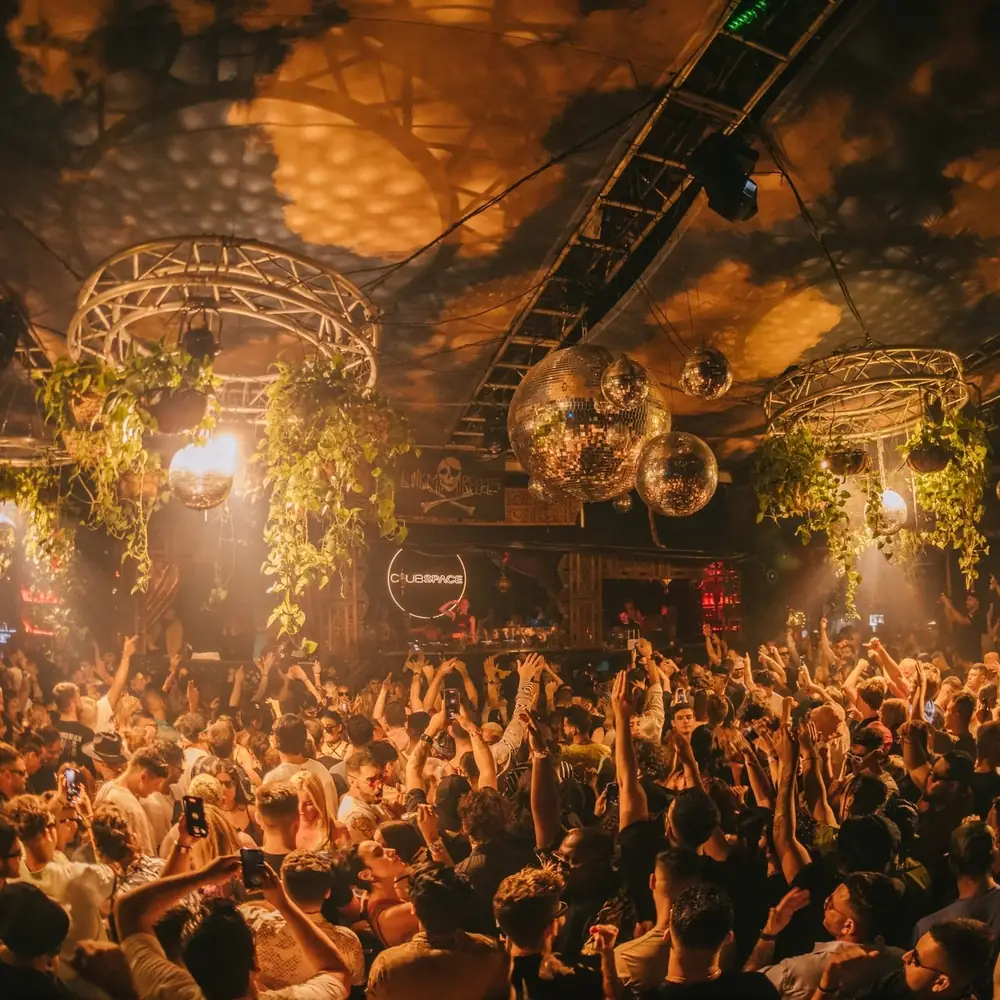
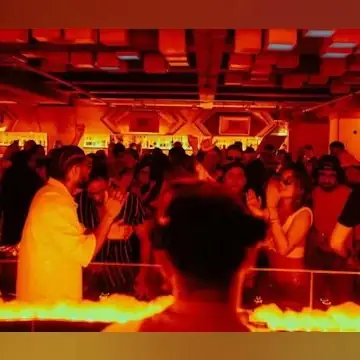
A shoebox with a Funktion-One and a firm idea of why you’re there. The last proper
small room on the Beach — everything around it went bottle-service years ago. Low
ceiling, warm crowd, phones down on the floor.